



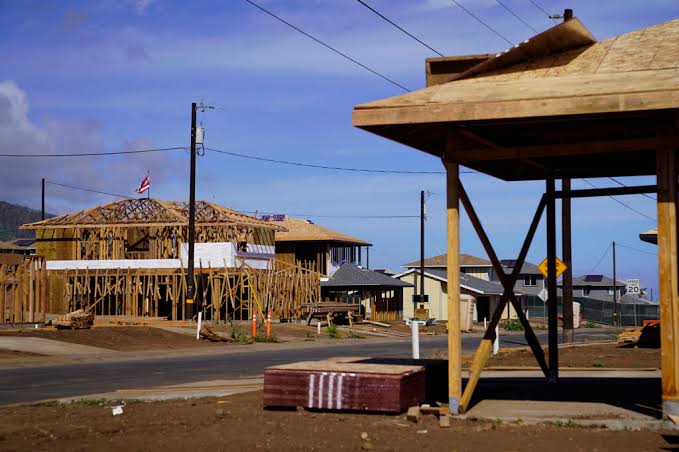
Hawaii lawmakers failed to pass a proposed tax increase on high-end home sales that was expected to create a steady funding stream for the Department of Hawaiian Home Lands, leaving the agency once again dependent on annual budget negotiations as it tries to reduce a long-standing waitlist for Native Hawaiian beneficiaries.
The measure had been pitched as a way to direct more money from luxury real estate transactions into housing and infrastructure for Hawaiian home lands. Supporters argued the idea would shift more of the tax burden to the upper end of the market while protecting most local homebuyers. But despite weeks of discussion and late-session negotiations, lawmakers could not reach a final agreement before the legislative deadline.
The collapse of the proposal is a setback for an agency that has spent years trying to secure more predictable funding. The Department of Hawaiian Home Lands, known as DHHL, is responsible for carrying out the century-old public trust tied to Hawaiian homesteading. Demand, however, still far exceeds supply. Officials have said the waitlist remains in the tens of thousands, underscoring the scale of Hawaii’s housing shortage for eligible Native Hawaiian families.
Even without the tax measure, DHHL did not leave the session empty-handed. Lawmakers approved more than $40 million in combined support for infrastructure and related work, including money for residential and agricultural projects on the Big Island, Kauai and Oahu, as well as funding tied to wildfire risk reduction and cesspool conversion in homestead communities. Still, that amount falls far short of what the department has said it needs to stay fully on schedule with broader development plans.
The funding gap is especially significant because DHHL is already working through an ambitious pipeline of projects. State officials and department leaders have recently highlighted plans to issue thousands of leases and move forward on dozens of developments meant to chip away at the waiting list. A major state funding package approved in 2022 helped accelerate that push, but much of that money has already been committed to specific projects.
At the center of this year’s failed debate was how Hawaii should redesign its conveyance tax, the fee paid when property changes hands. Backers of the bill wanted a larger share of revenue to come from the sale of luxury homes, with the proceeds helping support Hawaiian home lands and other housing-related priorities. As the session neared its end, lawmakers discussed a revised version that would have focused more narrowly on very high-value properties and certain non-owner-occupied homes, while reducing taxes for many lower-priced sales.
That revised structure was intended to answer criticism from real estate industry groups and others who warned that the earlier version could affect local buyers in an already expensive housing market. Supporters countered that the final framework would have lowered or eliminated the tax for a large majority of ordinary buyers and targeted the most expensive segments of the market instead.
In the end, the bigger dispute appeared to be less about whether new money should be raised and more about how that money would be controlled. The House had pushed for clearer earmarks, including a dedicated stream for DHHL. The Senate, however, was seen as favoring a system that would keep lawmakers more directly involved in approving future spending. That disagreement proved difficult to resolve before time ran out.
The failure of the bill now leaves DHHL facing a familiar reality: it must either return to the Legislature next year to seek more appropriations or find alternative revenue sources outside the traditional budget process. Department leaders have already begun pointing to other ideas, including the possible sale of affordable housing credits and longer-term energy development opportunities on Hawaiian home lands.
One of the most closely watched possibilities is geothermal energy. DHHL leadership has floated the idea that a future geothermal project on suitable homestead land could produce recurring revenue substantial enough to support housing and infrastructure work over time. State lawmakers also approved money this year for broader geothermal study, which could help determine whether that path is viable. Still, any such effort would require technical review, community outreach and political support before becoming a realistic funding answer.
For Native Hawaiian applicants waiting years, and in some cases decades, for a homestead award, the legislative setback is more than a policy loss. It is another reminder that long-term commitments to housing Native Hawaiians remain vulnerable to the ups and downs of annual politics, even as home prices across Hawaii continue to strain working families.
The broader debate is unlikely to disappear. Hawaii’s chronic housing affordability crisis, combined with continued frustration over the pace of homestead delivery, means lawmakers will almost certainly face renewed pressure to revisit the issue next session. Whether that leads to another luxury home tax push, a narrower compromise, or a completely different financing model may determine how quickly DHHL can turn plans into homes.
For now, the message from the Capitol is mixed: some projects will move ahead, but the larger promise of stable, long-term funding for Hawaiian home lands remains unresolved. That leaves thousands of beneficiaries waiting to see whether next year will bring another proposal — or another missed opportunity.