



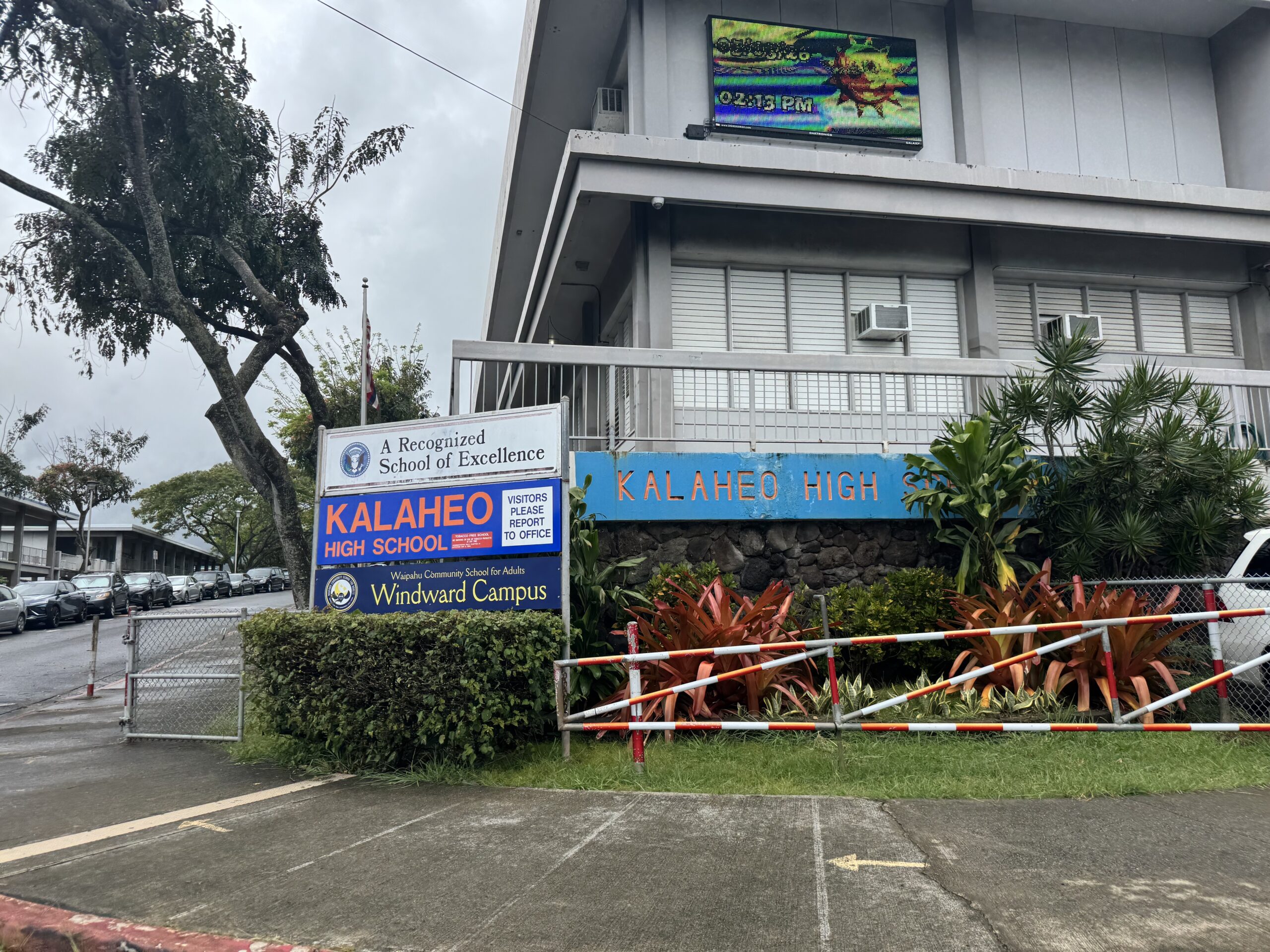
Students at Kalāheo High School on Oʻahu have been attending classes for months in a building without regular electricity, leaving some rooms without overhead lighting or air conditioning since an outage hit last September.
The disruption has affected a campus building used for health and physical education classes as well as athletic facilities, creating an uncomfortable learning environment for students and staff. With Hawaii’s warm climate, the lack of cooling has made classrooms especially difficult to use after outdoor activities, while dim conditions inside locker rooms and training areas have added to frustration on campus.
Students say teachers have been relying on open windows and doors to bring in sunlight and airflow, but that has not solved the problem. In some areas, temporary lighting has been brought in, yet it has not fully restored normal classroom or athletic operations. The situation has also raised concerns among families about how long students have been expected to continue learning under such conditions.
The outage has had effects beyond classroom comfort. Equipment tied to the affected building, including appliances used to support school athletics, has reportedly remained out of service for months. For a school community with dozens of athletic teams, that has created additional strain on daily campus operations.
Some students have also described unreliable internet access in the affected area since the power failure began. That has at times forced teachers to adjust their lesson plans, moving away from digital instruction and switching to paper-based classwork when needed. While classes have continued, students say the experience has been far from normal.
Hawaii education officials have said the overall disruption to learning has been limited, noting that some classes were moved away from the affected building. Even so, the extended timeline has drawn criticism from parents and community members, who argue that a months-long electrical problem at an active public school should not take this long to resolve.
According to local officials, the repair work is complex and requires specialized materials and contractors. The fix reportedly involves replacing more than 300 feet of underground electrical wiring and installing a new circuit breaker. Lawmakers representing the area have expressed hope that the damaged building can be brought back into operation before the current school year ends.
The electrical trouble has also drawn attention to wider infrastructure concerns at Kalāheo High School. Community members say other parts of the campus, including lighting in the parking lot and along the main internal road, also need improvement. That has fueled calls for a broader upgrade plan rather than a narrow repair of one building.
State lawmakers have already moved to prioritize campus electrical repairs and upgrades in the latest budget, with the broader work expected to cost several million dollars. For families, that funding focus is a sign that the problem is no longer being treated as a minor maintenance issue, but as part of a larger need to modernize aging school facilities.
The situation at Kalāheo reflects a wider challenge facing many older public school campuses: critical infrastructure often remains invisible until something fails. When that failure affects electricity, ventilation and basic classroom conditions, students are left carrying the burden of delayed repairs.
Adding to the school’s recent difficulties, students have also reported a millipede problem around parts of the campus following rainy weather. School officials have said custodial teams have been cleaning the area regularly and pest control measures have been taken, with conditions expected to improve as the weather becomes drier.
For now, the main concern remains restoring a normal school environment. Families and students are waiting for long-promised repairs to finally bring back power, lighting and cooling to the affected building. Until that happens, the outage stands as a reminder that safe and functional school infrastructure is not a luxury for students — it is a basic requirement for learning.