



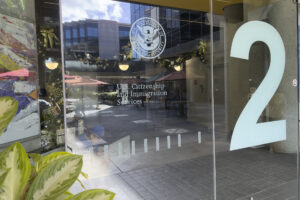
Detained immigrants in Hawaii could now wait about 19 months on average before their cases are heard in Honolulu’s immigration court, as the court faces its heaviest backlog in at least 15 years and a fresh rise in enforcement activity adds more pressure to an already strained system.
New data shows 1,413 immigration cases were pending in Honolulu as of March 2026, the highest level recorded locally in more than a decade. The average wait time for a case to reach court has also climbed to a record high, underscoring how difficult it has become for migrants, lawyers and judges to move cases forward in a timely way.
The slowdown did not begin overnight. Immigration lawyers say the court’s caseload started swelling during and after the Covid-19 period, when disruptions to hearings and case scheduling added to long-standing administrative strain. Hawaii also saw a rise in more complex immigration matters in recent years, including cases involving unaccompanied minors, which placed added demands on a court system with limited capacity.
That pressure has grown further amid a sharp increase in immigration arrests across Hawaii. Data cited in recent reporting indicates arrests in 2025 were roughly four times higher than in 2024, increasing the number of people entering the system at a time when the court is already struggling to keep pace.
At the federal level, the government has been trying to reduce the nationwide immigration court backlog by speeding up case processing. The broader backlog remains enormous, with roughly 3.29 million active cases pending in U.S. immigration courts at the end of March 2026. More than 2.31 million of those cases involve people waiting for asylum hearings or decisions, showing how deeply overloaded the system remains.
To move cases more quickly, immigration authorities have pushed for shorter hearings and more early dismissals of asylum claims before full hearings take place. Supporters of that approach argue it can help courts process cases faster and reduce years-long delays. But immigration attorneys in Hawaii say the policy shift is raising serious concerns about fairness, especially in complicated asylum cases that often require multiple witnesses, country-condition evidence and detailed testimony.
Lawyers practicing in Hawaii say some hearings that were once expected to take a full day are now being compressed into two-hour windows. In some instances, cases that had been scheduled years into the future have reportedly been pulled forward with far less time for preparation. Critics say that may help clear calendars, but it could also make it harder for immigrants to fully present their claims.
Another concern is the increasing use of what are known as pretermission motions, in which the government asks judges to end certain cases without holding a full evidentiary hearing. Nationally, about 48,000 such motions for removal were issued in March, roughly double the level recorded in the same month a year earlier. It is not yet clear how many of those motions involved Hawaii-based cases.
Detention is adding another layer of difficulty. The number of people being held at the Federal Detention Center in Honolulu in connection with immigration enforcement rose sharply, from an average of 15 detainees per day last February to 73 per day by early April. Attorneys say detained immigrants often face greater obstacles in finding legal help, especially in a state with a limited number of immigration lawyers and where travel between islands can complicate representation.
Access to counsel also varies widely depending on where immigrants live. In urban Honolulu, most people with pending immigration cases appear to have legal representation. In some rural parts of the state, however, representation rates are much lower, which can leave detainees and families at a disadvantage while navigating a complex court process.
Even as Washington pushes for faster case closures, staffing remains a major challenge. The number of immigration judges nationwide fell from 735 to 557 by the end of last year, according to reported data, potentially undermining efforts to reduce delays. Honolulu currently has only two immigration judges, a number that appears increasingly out of step with the growing demand on the court.
So far this fiscal year, deportations from Hawaii appear broadly in line with last year’s pace rather than dramatically higher. Still, the growing court backlog, rising detention numbers and tighter hearing schedules suggest the system is being asked to do more with limited time and limited personnel.
For immigrants being held in custody, the consequences are immediate. A wait measured in months can mean prolonged detention, added legal uncertainty and fewer opportunities to prepare a defense. For Hawaii’s court system, the numbers point to a difficult reality: speeding up the calendar may reduce paperwork, but without enough judges, lawyers and time for full hearings, the backlog crisis in Honolulu is unlikely to ease anytime soon.